Fall 2027 PA OUTDOORS woods and waterways
-Story by Liam Burke
-Photos by Matt Kneisley
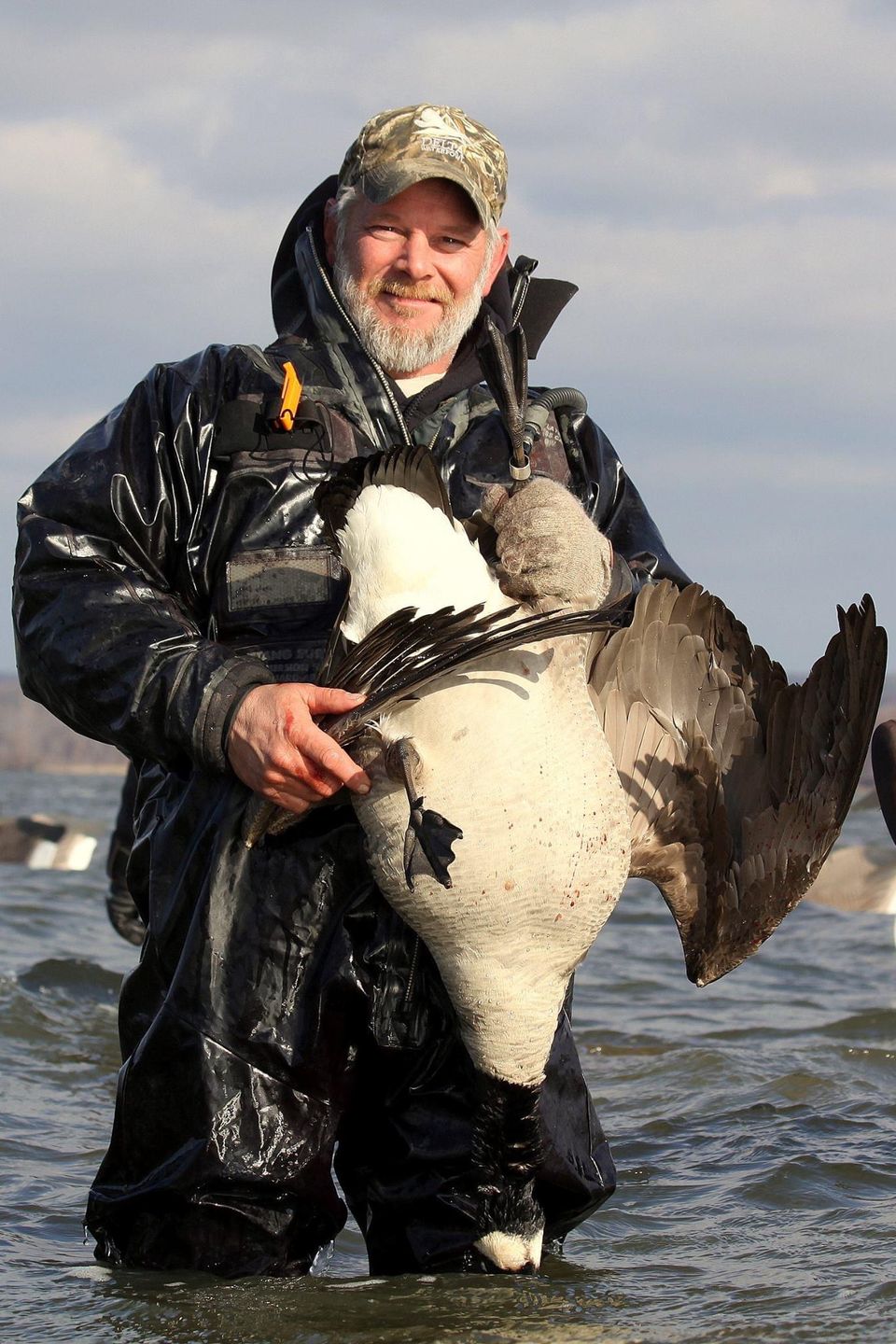
“It'll just consume you,” Matt Kneisley said about duck hunting. He works hard, however, to ensure that the duck population is not consumed in the process. Since Kneisley founded the first Pennsylvania chapter of Delta Waterfowl 16 years ago, the state’s membership has grown to nearly 1,600 members. From the time of its formation, under the leadership of General Mills founder James Ford Bell and the guidance of environmentalist Aldo Leopold, Delta Waterfowl has taken a science-based approach to conservation. In his role as senior regional director of Pennsylvania and four other states, Kneisley organizes fundraising to support this approach. Delta Waterfowl invests substantially in habitat conservation and duck production—working with landowners to conserve productive wetland and grassland landscapes and deploying hen houses and other science-based tools to increase duck production. These efforts are complemented by Delta’s research, policy, education, and hunting-heritage work.
Previously a member of another duck conservation organization, Kneisley spent a year researching Delta Waterfowl before committing to it. “I had a say in where the money goes,” he said. “I got to put some money back [in the community] where it’d come from, and they are very, very big in youth education, youth organization, and working with kids and veterans, and new-people work. So that’s what drew me to Delta.”
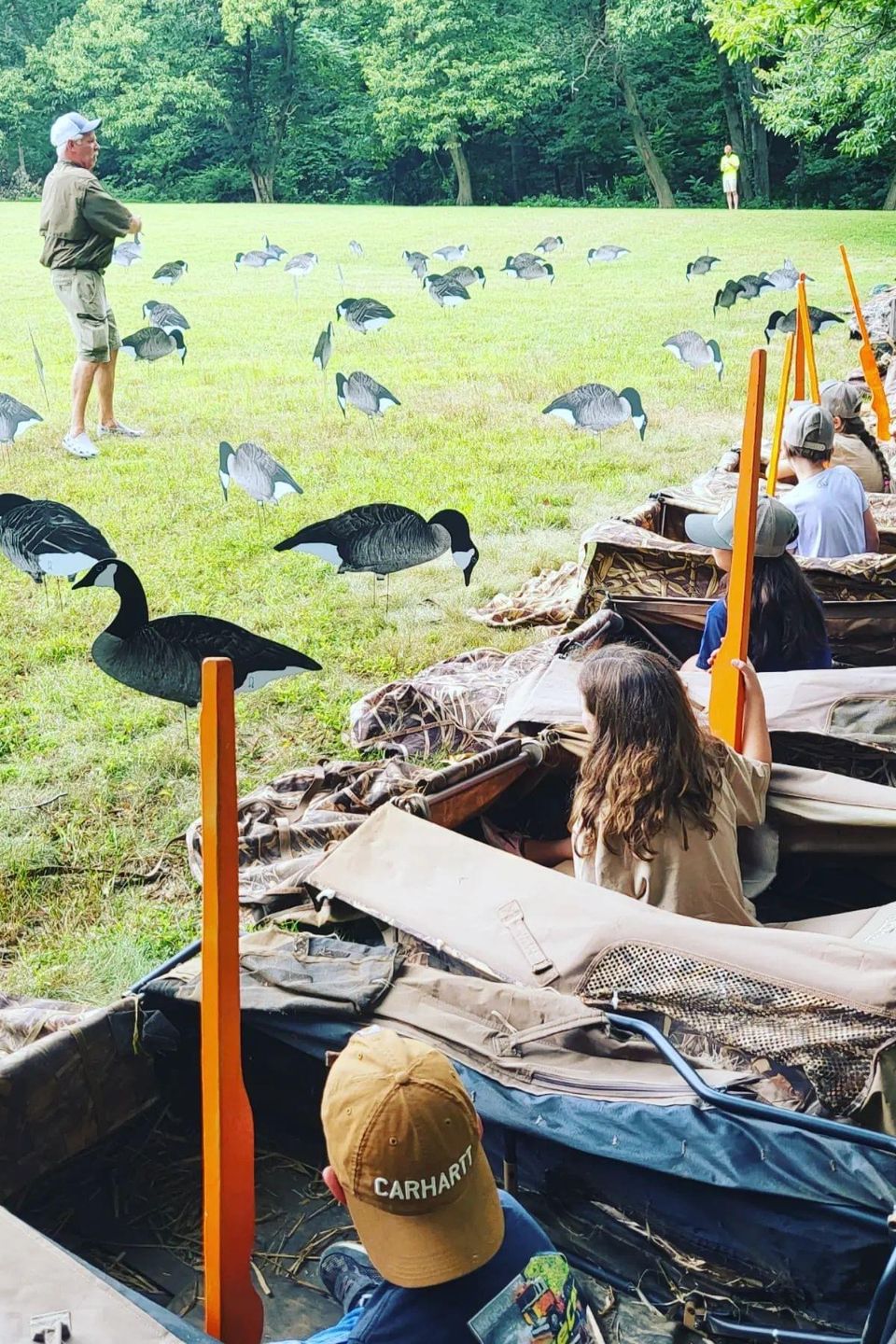
Delta’s youth programs have a lot to compete against for young people’s time, according to Kneisley, but they still manage to draw new eyes to waterfowling. “You try to get their attention before they realize there’s cell phones, a girl or a boy, before travel sports gets a hold of them, before they get their first car,” Kneisley said.
In the branches Kneisley manages, he only requires his volunteers to host one event annually. The rest is up to them. “As a volunteer you burn out,” Kneisley said. “I’m blessed my wife puts up with me.”
“I can’t do this job alone,” Kneisley said. “I’m not Delta Waterfowl. My membership, my people, my volunteers, and my colleagues—we’re all Delta Waterfowl.” In his capacity as senior regional director, he works closely with men like Joey Searcy, R3 (recruitment, retention, reactivation) program coordinator, to get young people involved in waterfowling.
As R3 program coordinator, Searcy works on Delta’s University Hunting Program, which gives wildlife management students a new perspective on the animals they study to conserve. “Those students are actually going to be graduating and be game wardens, they’re going to be waterfowl biologists, they’re going to be park managers,” Searcy said. “A lot of them have never hunted before.”
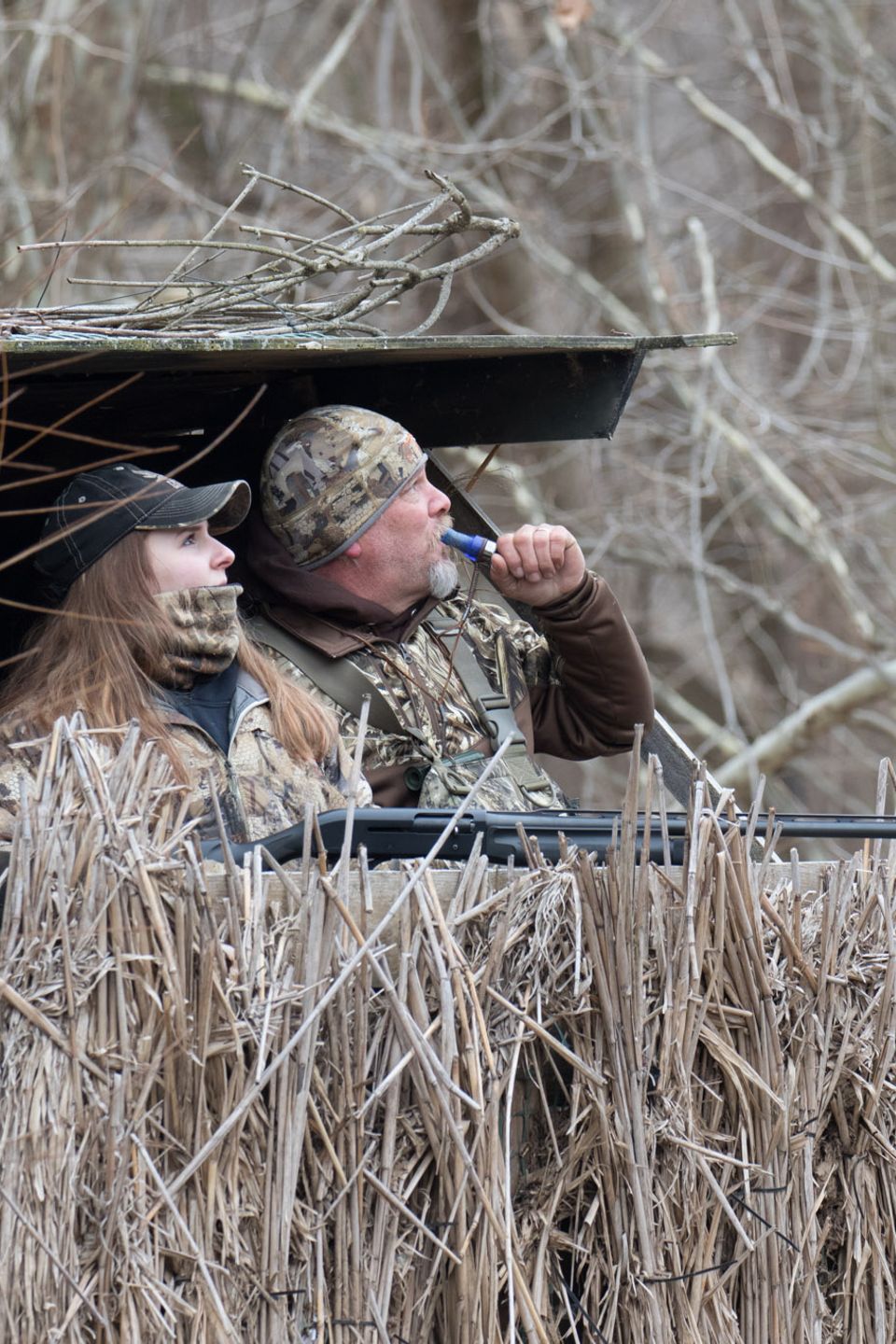
While youth education primes the next generation of waterfowlers, it also gets new adults interested in hunting and conservation. “You’re not educating just a child, you’re educating the parent,” Searcy said. “If you get that child excited and that child’s like, ‘Hey Dad, Mom, I really want to go out and I want to do this. Can you help me with this?’ You’re going to not only bring the child in, you’re going to bring the parent in, you’re going to bring other family members in.”
As an adult, Searcy felt firsthand the kindness of duck hunters toward the uninitiated. “Does anybody have any animals in their freezer that I can practice on? I'd like to try taxidermy,” Searcy recalled asking hunters on Facebook. He didn’t know it at the time, but this would be his path to waterfowling. Though he was more interested in deer and other mammals, people would only let him thaw their birds. To improve his avian taxidermy, which he grew to enjoy, he wanted to go on a duck hunt and found someone willing to take him. “We hunted until eleven o'clock in the afternoon, which is rare to hunt that late for wood ducks. The reason why we hunted that late was because I was missing a lot,” he said. “The reason why I lean towards the R3 side of it is because of the mentorship. That guy took me out and changed my life.
“One of my best friends I ever had in my entire life came from finding him on a duck hunt. My wife was with me and she dislocated her knee on the hunt, and he picked her up, put her in his boat, and split up,” Searcy said. “I had no idea who this guy was. He took my wife to his house, and I met him over there, and I was like, ‘Well, this hunt didn’t work out. What are you doing next Saturday?’ And then after that we’ve hunted every weekend for the past three years. You can’t get that in deer hunting.”
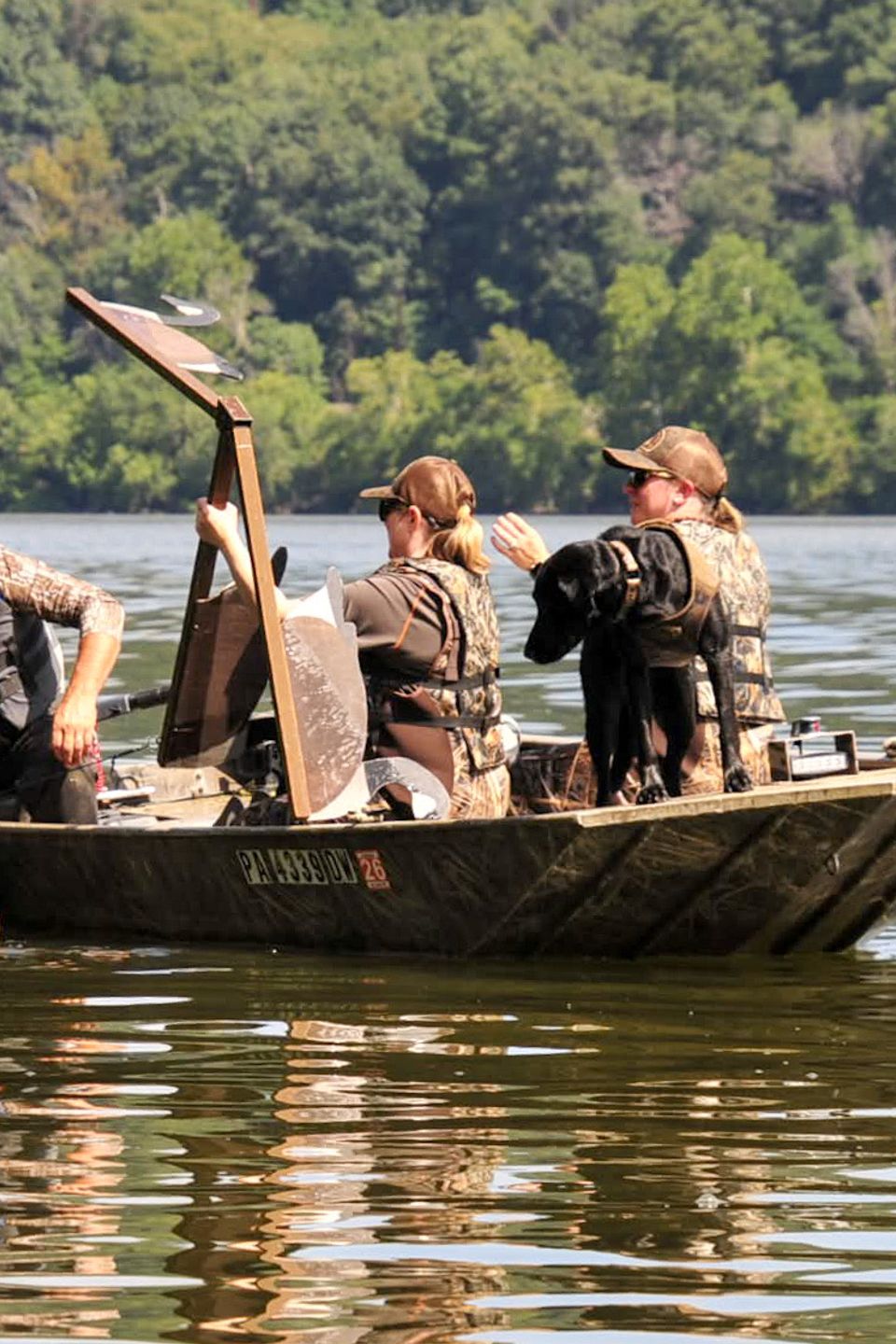
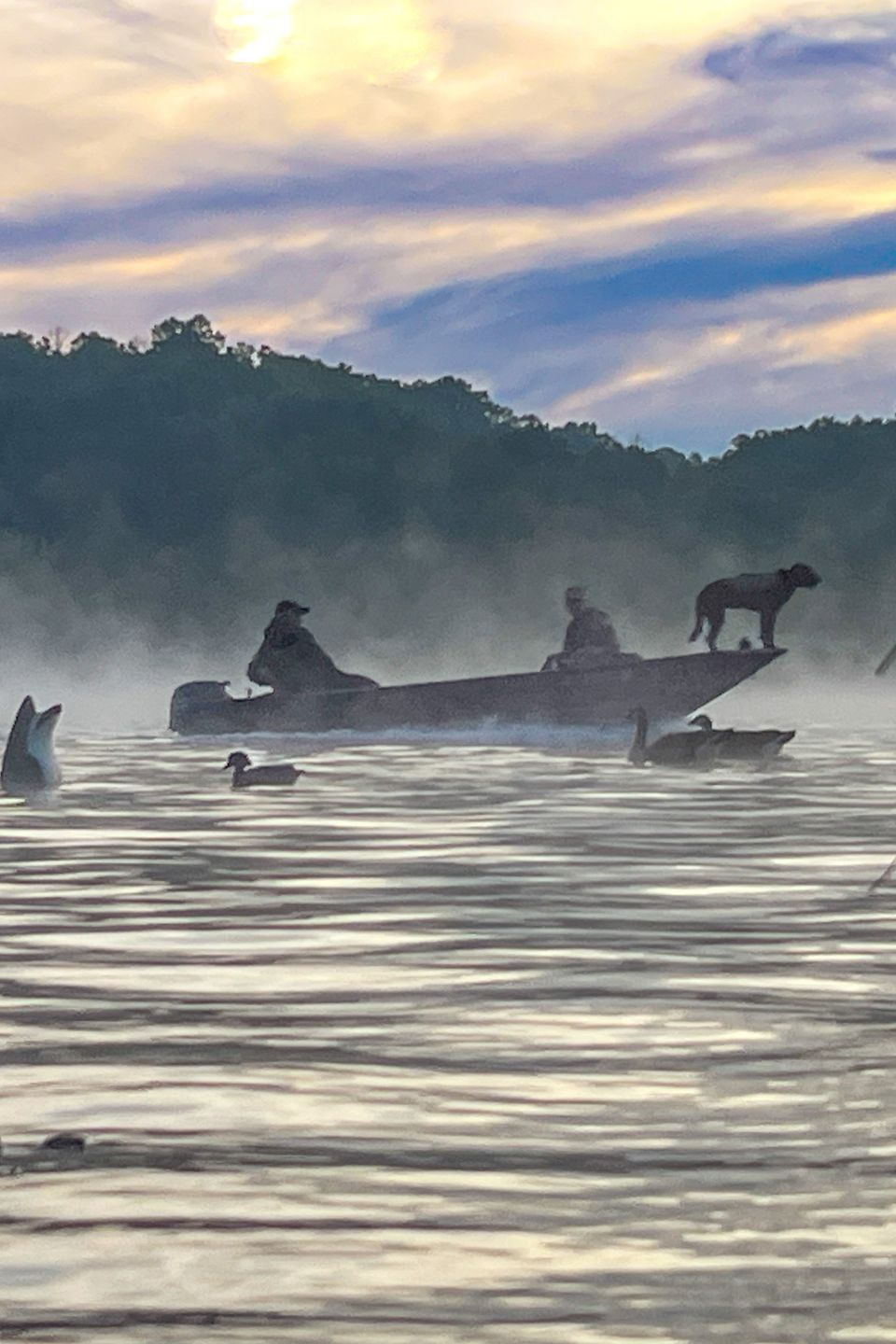
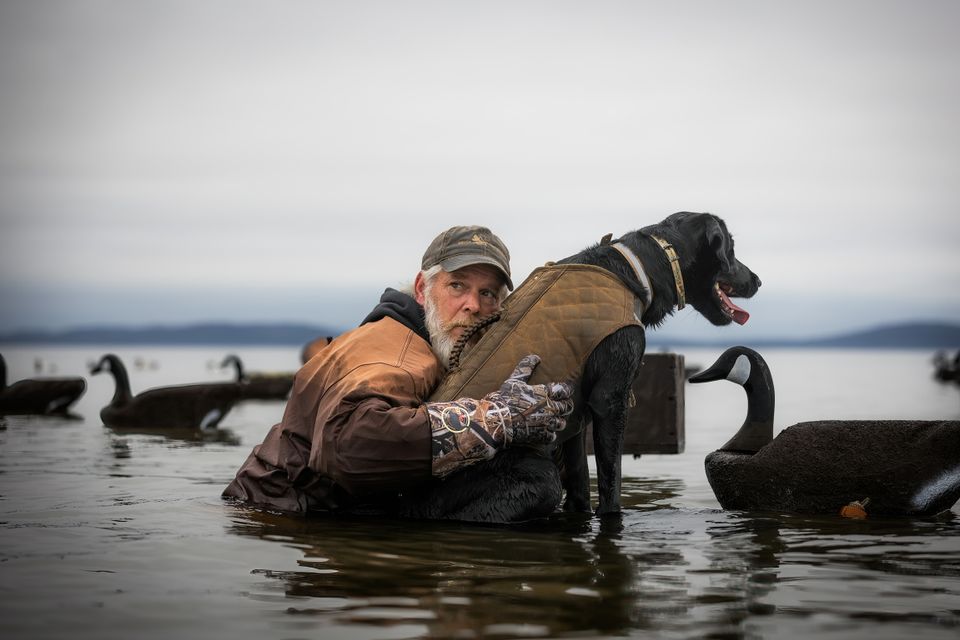
For Kneisley, self-reliance and the “full-circle” feeling of hard work paying off are large parts of traditional duck hunting’s appeal—and large parts of why Delta must preserve the tradition and conserve the birds. As the waterfowlers say, it’s all about ducks, dogs, and decoys. “When it’s your dog that you train, and it’s your decoy that you carved and you painted, and you blow the duck call right, and everything magically comes together where you’re able to have a bird that is naturally wild come and land beside your decoy and feel comfortable, you’ve accomplished it,” Kneisley said. “It’s the artistry of fooling a wild animal to think it’s real.”
To join or donate to Delta Waterfowl, visit their website at https://deltawaterfowl.org. Youth memberships are $20 annually, and adult memberships start at $35. The website also provides the locations of Pennsylvania’s local chapters and a list of upcoming dinner events.
If It Looks Like a Duck … Good!
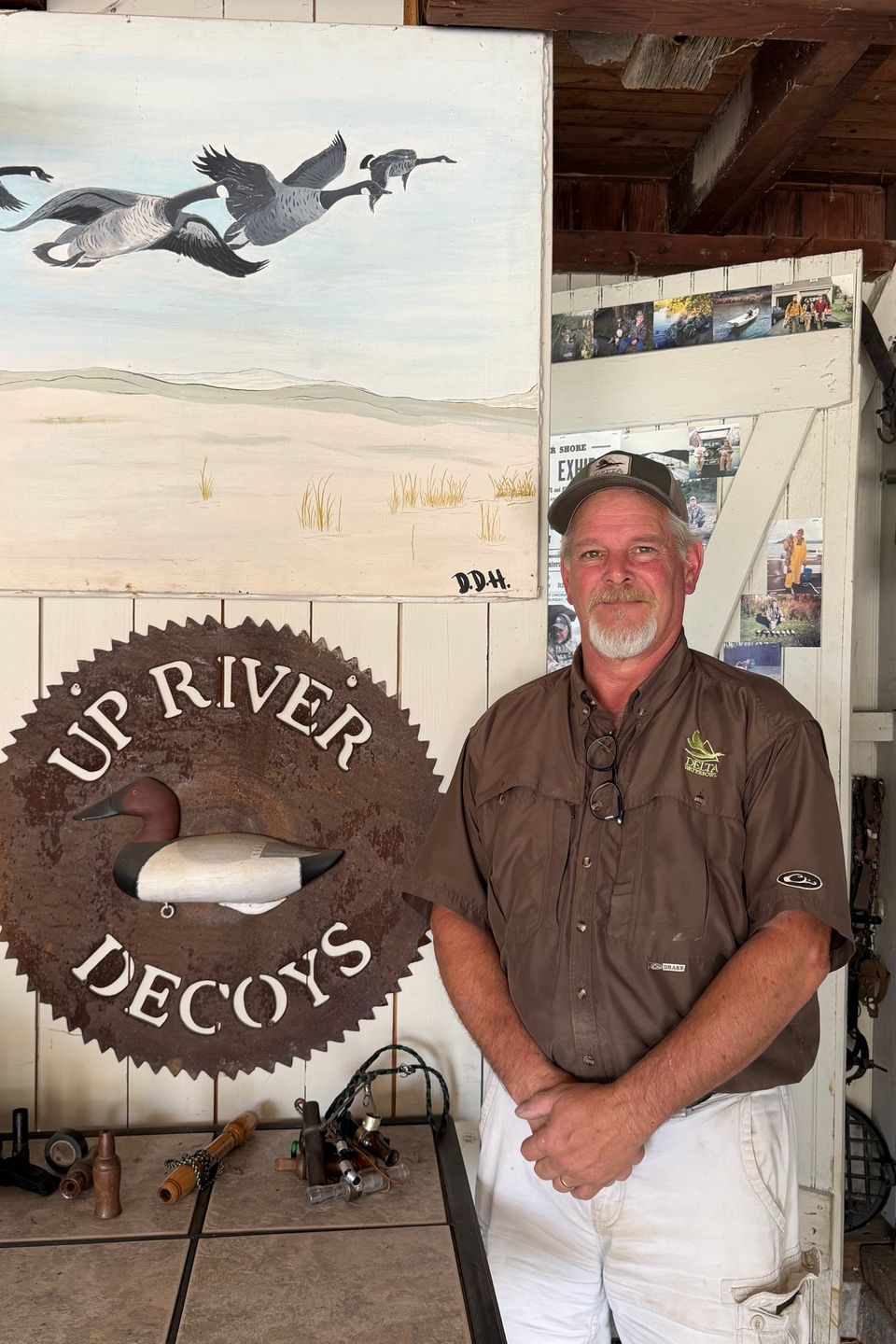
As a fourth-generation decoy carver, Matt Kneisley has been surrounded by the craft from childhood. “I watched as a little guy. I mean, I started when I was 6. You just watched the family members all get together and start making birds for the season.” He and his father collected cedar telephone poles for famed Havre de Grace carver Madison Mitchell and received one decoy per five blocks of wood. “I had lunch on Mr. Mitchell’s knee,” a peanut butter and jelly sandwich, Kneisley recalled.
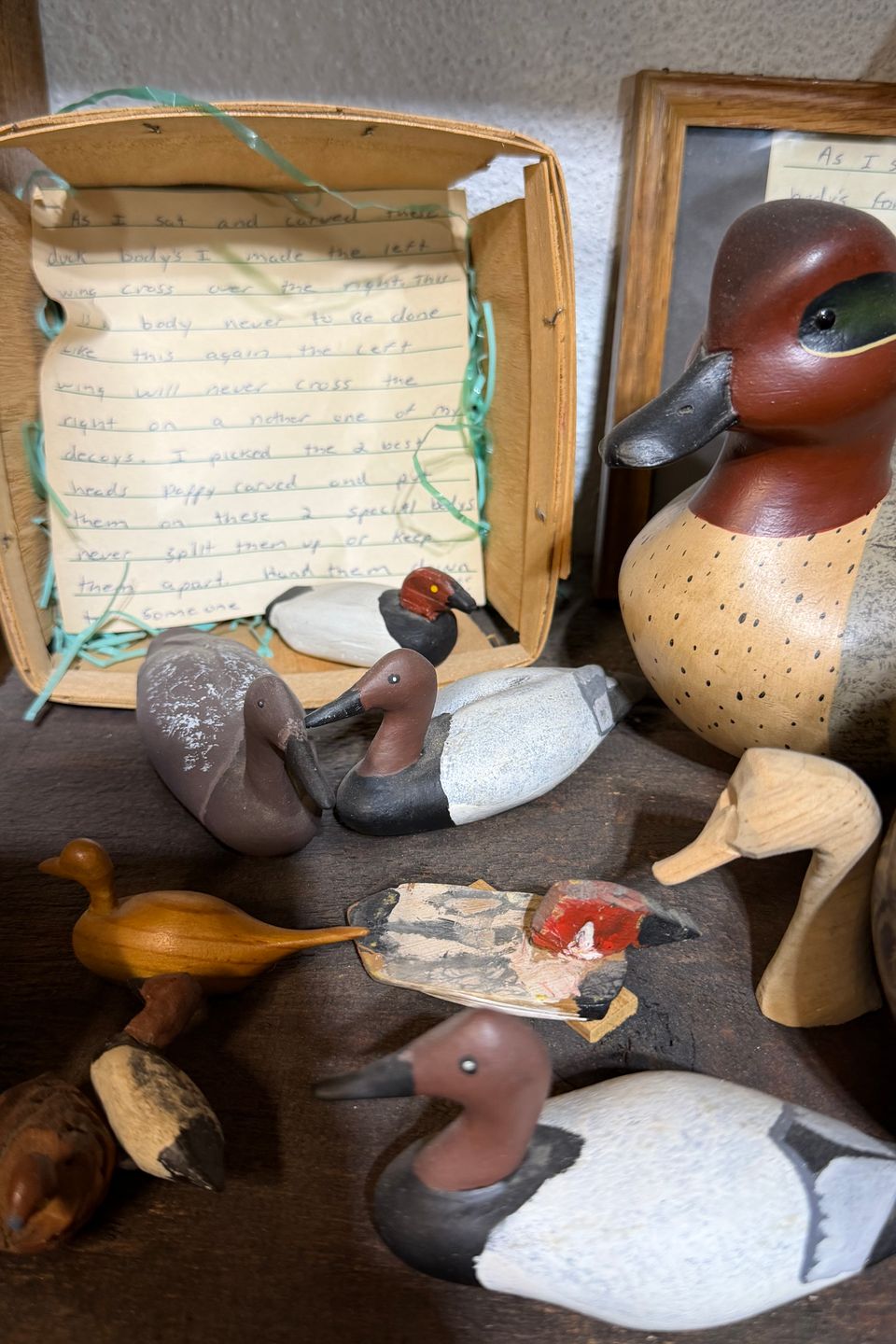
“It was all about what was available, what was relatively cheap. Our family was poor tomato farmers, basically, in Washington Boro, and we had a small greenhouse,” said Kneisley. “They just worked with what they had and what they could afford.” They used belt leather and upholstery tacks instead of costlier brass hardware and glass eyes on their decoys, according to Kneisley.
Cayden Deiter, Kneisley’s 17-year-old nephew, is carrying the family tradition into the fifth generation. “I have now built him his own shop. It’s unfortunately funded by Uncle Matt,” he said, though he noted Deiter is steadily repaying him with a portion of his profits.
While carving has long been a source of community, back to Madison Mitchell’s collaborative decoy workshop and beyond, Kneisley’s nephew is entering a more cooperative world of carving than the one he grew up in. “We share patterns like Tic Tacs now,” Kneisley said. “Back in the day they were heavily guarded.
“I kind of got to pay back for all the time everybody spent teaching me, helping me understand how the grain of the wood is, and how you need to draw your knife across that grain so you don't make a big chunk out of it,” Kneisley said about teaching his nephew to carve. “We all joke about it, call it wood therapy because it takes your mind off the craziness of the world,” he added. “You have to concentrate. You got a sharp knife in your hand, so you get lost in the wood.”
Kneisley noted how many of the great carvers, including Madison Mitchell, were undertakers. Building caskets honed the woodworking skills needed to make convincing ducks. Out of dead wood, they created the likeness of life. Though many of those men now rest, Kneisley carries on their work—not just by making the decoys, but by passing on the wisdom of the carvers he grew up with to the young who have come to keep the tradition alive.
-Photos by Matt Kneisley
“It'll just consume you,” Matt Kneisley said about duck hunting. He works hard, however, to ensure that the duck population is not consumed in the process. Since Kneisley founded the first Pennsylvania chapter of Delta Waterfowl 16 years ago, the state’s membership has grown to nearly 1,600 members. From the time of its formation, under the leadership of General Mills founder James Ford Bell and the guidance of environmentalist Aldo Leopold, Delta Waterfowl has taken a science-based approach to conservation. In his role as senior regional director of Pennsylvania and four other states, Kneisley organizes fundraising to support this approach. Delta Waterfowl invests substantially in habitat conservation and duck production—working with landowners to conserve productive wetland and grassland landscapes and deploying hen houses and other science-based tools to increase duck production. These efforts are complemented by Delta’s research, policy, education, and hunting-heritage work.
Previously a member of another duck conservation organization, Kneisley spent a year researching Delta Waterfowl before committing to it. “I had a say in where the money goes,” he said. “I got to put some money back [in the community] where it’d come from, and they are very, very big in youth education, youth organization, and working with kids and veterans, and new-people work. So that’s what drew me to Delta.”
Delta’s youth programs have a lot to compete against for young people’s time, according to Kneisley, but they still manage to draw new eyes to waterfowling. “You try to get their attention before they realize there’s cell phones, a girl or a boy, before travel sports gets a hold of them, before they get their first car,” Kneisley said.
In the branches Kneisley manages, he only requires his volunteers to host one event annually. The rest is up to them. “As a volunteer you burn out,” Kneisley said. “I’m blessed my wife puts up with me.”
“I can’t do this job alone,” Kneisley said. “I’m not Delta Waterfowl. My membership, my people, my volunteers, and my colleagues—we’re all Delta Waterfowl.” In his capacity as senior regional director, he works closely with men like Joey Searcy, R3 (recruitment, retention, reactivation) program coordinator, to get young people involved in waterfowling.
As R3 program coordinator, Searcy works on Delta’s University Hunting Program, which gives wildlife management students a new perspective on the animals they study to conserve. “Those students are actually going to be graduating and be game wardens, they’re going to be waterfowl biologists, they’re going to be park managers,” Searcy said. “A lot of them have never hunted before.”
While youth education primes the next generation of waterfowlers, it also gets new adults interested in hunting and conservation. “You’re not educating just a child, you’re educating the parent,” Searcy said. “If you get that child excited and that child’s like, ‘Hey Dad, Mom, I really want to go out and I want to do this. Can you help me with this?’ You’re going to not only bring the child in, you’re going to bring the parent in, you’re going to bring other family members in.”
As an adult, Searcy felt firsthand the kindness of duck hunters toward the uninitiated. “Does anybody have any animals in their freezer that I can practice on? I'd like to try taxidermy,” Searcy recalled asking hunters on Facebook. He didn’t know it at the time, but this would be his path to waterfowling. Though he was more interested in deer and other mammals, people would only let him thaw their birds. To improve his avian taxidermy, which he grew to enjoy, he wanted to go on a duck hunt and found someone willing to take him. “We hunted until eleven o'clock in the afternoon, which is rare to hunt that late for wood ducks. The reason why we hunted that late was because I was missing a lot,” he said. “The reason why I lean towards the R3 side of it is because of the mentorship. That guy took me out and changed my life.
“One of my best friends I ever had in my entire life came from finding him on a duck hunt. My wife was with me and she dislocated her knee on the hunt, and he picked her up, put her in his boat, and split up,” Searcy said. “I had no idea who this guy was. He took my wife to his house, and I met him over there, and I was like, ‘Well, this hunt didn’t work out. What are you doing next Saturday?’ And then after that we’ve hunted every weekend for the past three years. You can’t get that in deer hunting.”
For Kneisley, self-reliance and the “full-circle” feeling of hard work paying off are large parts of traditional duck hunting’s appeal—and large parts of why Delta must preserve the tradition and conserve the birds. As the waterfowlers say, it’s all about ducks, dogs, and decoys. “When it’s your dog that you train, and it’s your decoy that you carved and you painted, and you blow the duck call right, and everything magically comes together where you’re able to have a bird that is naturally wild come and land beside your decoy and feel comfortable, you’ve accomplished it,” Kneisley said. “It’s the artistry of fooling a wild animal to think it’s real.”
To join or donate to Delta Waterfowl, visit their website at https://deltawaterfowl.org. Youth memberships are $20 annually, and adult memberships start at $35. The website also provides the locations of Pennsylvania’s local chapters and a list of upcoming dinner events.
If It Looks Like a Duck … Good!
As a fourth-generation decoy carver, Matt Kneisley has been surrounded by the craft from childhood. “I watched as a little guy. I mean, I started when I was 6. You just watched the family members all get together and start making birds for the season.” He and his father collected cedar telephone poles for famed Havre de Grace carver Madison Mitchell and received one decoy per five blocks of wood. “I had lunch on Mr. Mitchell’s knee,” a peanut butter and jelly sandwich, Kneisley recalled.
“It was all about what was available, what was relatively cheap. Our family was poor tomato farmers, basically, in Washington Boro, and we had a small greenhouse,” said Kneisley. “They just worked with what they had and what they could afford.” They used belt leather and upholstery tacks instead of costlier brass hardware and glass eyes on their decoys, according to Kneisley.
Cayden Deiter, Kneisley’s 17-year-old nephew, is carrying the family tradition into the fifth generation. “I have now built him his own shop. It’s unfortunately funded by Uncle Matt,” he said, though he noted Deiter is steadily repaying him with a portion of his profits.
While carving has long been a source of community, back to Madison Mitchell’s collaborative decoy workshop and beyond, Kneisley’s nephew is entering a more cooperative world of carving than the one he grew up in. “We share patterns like Tic Tacs now,” Kneisley said. “Back in the day they were heavily guarded.
“I kind of got to pay back for all the time everybody spent teaching me, helping me understand how the grain of the wood is, and how you need to draw your knife across that grain so you don't make a big chunk out of it,” Kneisley said about teaching his nephew to carve. “We all joke about it, call it wood therapy because it takes your mind off the craziness of the world,” he added. “You have to concentrate. You got a sharp knife in your hand, so you get lost in the wood.”
Kneisley noted how many of the great carvers, including Madison Mitchell, were undertakers. Building caskets honed the woodworking skills needed to make convincing ducks. Out of dead wood, they created the likeness of life. Though many of those men now rest, Kneisley carries on their work—not just by making the decoys, but by passing on the wisdom of the carvers he grew up with to the young who have come to keep the tradition alive.